Getting Around Porto: A Guide to Trams, Buses & Airport Travel
Your practical guide to navigating Porto's public transport, from the airport to the city's historic streets.
Written by
Written by
Written by Niké
Written by
Written by Niké
Written by
Written by
Written by
Written by
Written by
Written by
Written by
Written by
Written by
Written by
Written by
Written by Niké
Written by
Written by
Written by
Written by
Written by
Written by
Written by Niké
Written by
Written by
Written by
Written by
Written by
Written by
Written by
Written by
Written by
Written by
Written by
Written by
Written by
Written by
Written by
Written by
Written by
Written by Niké
Written by
Written by
Written by Niké
Written by
Written by
Written by
Written by
Written by
Written by
Written by
Written by
Written by
Written by
Written by
Written by
Written by
Written by
Written by
Written by
Written by
Written by
Written by
Written by
Written by
Written by
Written by
Written by
Written by
Written by
Written by
Written by
Written by
Written by
Written by
Written by
Written by
Written by
Written by
Written by
Written by
Written by
Written by
Written by
Written by
Written by
Written by
Written by
Written by
Written by
Written by
Written by
Written by
Written by Niké
Written by
Written by
Written by Niké
Written by
Written by Niké
Written by
Written by
Written by
Written by
Written by
Written by
Written by
Written by
Written by Niké
Written by
Written by
Getting around Porto is easier than you might think. The city is very walkable but it has a well-connected public transport system that u can use, all making it super simple to reach most attractions. This guide covers everything you need to know about navigating Porto’s transport network. Let’s get started!
1. Porto Airport to City Centre
The airport sits about 11 kilometers northwest of Porto’s center. The quickest and cheapest way to reach the city is by metro(light rail). The Purple Line E, connects the airport directly to the city center. The journey takes around 30 minutes to reach Trindade station, Porto’s main metro hub. From there, you can transfer to other lines or walk to nearby hotels and attractions. Trains run from approximately 6am until 1am.
🚕 If you arrive late at night or have heavy luggage, a taxi or rideshare (Uber and Bolt operate here) might be more comfortable. Expect to pay around €20-25 from the airport to the centre, plus a 20% surcharge during night hours.
2. Using Porto’s Metro, Buses and Trams in the city
1.The Metro System
Porto’s metro has six colour-coded lines covering the city and surrounding areas. The system is modern, clean, and reliable. Key lines for visitors include:
Line D (Yellow): Runs through the city centre, including São Bento station and the university area.
Line E (Purple): Connects the airport to the centre.
Lines A, B, C, and F: Serve outer neighbourhoods and suburbs.
Metro stations display route maps and arrival times. Trains are frequent during the day, typically every 10-15 minutes.
2. Buses
STCP buses serve areas the metro doesn’t reach. They’re useful for exploring residential neighbourhoods or reaching viewpoints like Jardins do Palácio de Cristal. Buses can get crowded during rush hour (8-9am and 5-7pm), so allow extra time if you’re travelling during these windows.
3. Tram, for A Scenic Ride 🚋
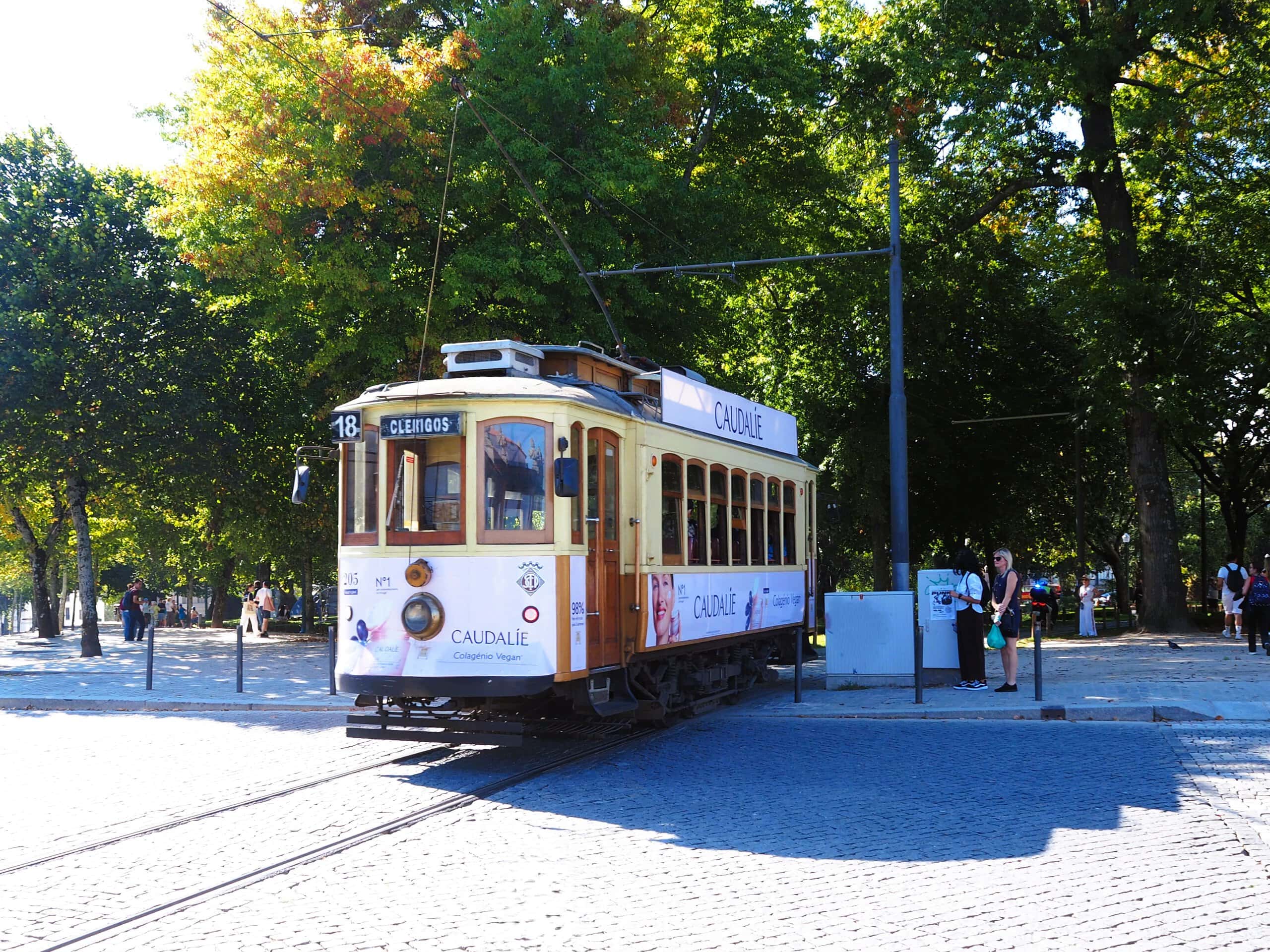
Tram 1 is Porto’s most famous tram route, running along the Douro River from Infante to Passeio Alegre in Foz. This historic wooden tram offers lovely views of the river, bridges, and waterfront. The full journey takes about 30 minutes. It’s a tourist attraction as much as a transport option, so expect it to be busy during peak season. The tram runs roughly every 30 minutes, though timings can vary.
Tram 1 uses the same Andante ticketing system as other transport, but it’s also included in the Andante Tour card (more on that below).
Andante Card
The Andante Card is essential for using Porto’s metro or buses. It’s a small blue paper ticket called Andante Azul, which you load with credit or passes. Each person needs their own card. You can’t share one card between multiple passengers. Children aged 4 and under travel free without a card.
Where to Buy the Andante Card?
You can buy Andante Cards at:
Ticket machines at metro stations (English language option available)
Train stations
Andante shops
CP train ticket offices
Tourism information offices at the airport
The card itself costs €0.60. After that, you load it with individual trip credits or a multi-day pass.
Loading the Card: Zones and Fares
Porto’s transport network is divided into zones. The fare you pay depends on how many zones you cross. Most journeys within the city centre fall into Zone 2 or Zone 3. A single Zone 2 journey costs around €1.50. The airport journey (Zone 4) costs approximately €2. These prices can change, so check the latest fares at ticket machines or the Andante website.
You can load single trips or buy a pack of 10 trips for a small discount. Load enough credit for your planned journeys to avoid queuing at machines repeatedly.
Important: You must validate your Andante Card at yellow validation machines when entering and exiting stations. Forget to do this and you risk a €95 fine.
Andante Tour Card
The Andante Tour card offers unlimited travel on Porto’s metro, buses, and some regional trains for a set period. This is usually the best option if you’re using public transport frequently.
The card activates the first time you validate it and runs for exactly 24 or 72 hours from that moment. It covers all zones, including the airport. If you’re making three or more journeys per day, the Andante Tour card typically saves money compared to buying individual tickets.
3. Ride the Funicular for Bridge Views 🚡
The Funicular dos Guindais is Porto’s only inclined railway, connecting the Ribeira riverfront with Batalha Square at the top of the hill. It’s a quick 3-minute ride that saves you a steep climb. Operating hours are typically 10am to 8pm during warmer months, ending earlier in winter. A one-way ticket costs €7, which is steep for such a short journey, but it’s a fun experience and a practical way to avoid the hill.
The funicular isn’t covered by the Andante Tour card, so you’ll need to buy a separate ticket at the station.
4. Biking Around Porto
Cycling is a popular way to explore Porto, with several bike rental shops in the city centre. The city’s hilly terrain makes cycling challenging in some areas, especially if you’re not used to steep inclines. Dedicated cycling infrastructure is limited in parts of Porto’s historic centre, where narrow cobbled streets and traffic require caution. Stick to quieter neighbourhoods and riverside paths if you’re not confident cycling in traffic.
5. Walking in Porto, one of the best options
Porto’s historic centre is compact and walkable. You can walk from Ribeira to Livraria Lello, Clérigos Tower, and São Bento station in under 30 minutes. The city’s hills are the main challenge. The climb from Ribeira up to the upper town is steep and cobbled. If you have mobility issues or are travelling with young children, the metro or funicular can help you avoid the toughest climbs.
👟 Good walking shoes or sandals are essential. Porto’s streets are paved with calçada portuguesa (traditional Portuguese pavement), which can be slippery when wet. Save the fancy heels for dinners only.
6. Taxis for Late-Night Travel
Taxis and rideshare services like Uber and Bolt are widely available in Porto. They’re handy when public transport stops running (metro ends around 1am) or if you’re returning late from dinner or a concert. Taxi ranks are located throughout the historic centre, including near São Bento station and along Avenida dos Aliados. You can also hail taxis on the street or book through the Táxis Invicta app.
7. Do I Need a Car in Porto?
No, you don’t need a car in Porto. The city is compact, and public transport covers all the main sights. Parking in the historic centre can be tricky and expensive, with narrow streets not designed for modern traffic. If you’re planning trips to the Douro Valley or coastal towns, you might consider renting a car for those excursions. But for getting around Porto city itself, stick to the metro, buses, and your own two feet.
Practical Tips
Download Google Maps: It works well in Porto for planning routes, checking bus times, and estimating walking distances.
Keep your Andante Card safe: You’ll need it for every journey. Losing it means buying a new card and losing any remaining credit.
Validate every time: Don’t risk the fine. Always tap your card at yellow machines when entering and exiting metro stations.
Plan around rush hour: Public transport gets crowded between 8-9am and 5-7pm on weekdays. Allow extra time if travelling during these windows.
Check timetables: Metro and bus schedules can change, especially on weekends and public holidays. Official websites have the latest information.
Going on a city trip is such an easy way to break away from the day-to-day life. I love to just wander around a city to feel its rhythm and atmosphere. Each city has something unique to offer, whether its beautiful streets, museums or amazing food. In my city guides, I love to share some of my best tips to make your trip memorable.
Written by
Going on a city trip is such an easy way to break away from the day-to-day life. I love to just wander around a city to feel its rhythm and atmosphere. Each city has something unique to offer, whether its beautiful streets, museums or amazing food. In my city guides, I love to share some of my best tips to make your trip memorable.
Written by Niké
I love the combination of history and roughness in Athens. During summertime it can become really hot, so best time to visit is Spring or end of Summer. When visiting the Acropolis Museum, make sure to say hi to Niké's statue, the goddess I was named after ;).
Written by
Going on a city trip is such an easy way to break away from the day-to-day life. I love to just wander around a city to feel its rhythm and atmosphere. Each city has something unique to offer, whether its beautiful streets, museums or amazing food. In my city guides, I love to share some of my best tips to make your trip memorable.
Written by Niké
Going on a city trip is such an easy way to break away from the day-to-day life. I really enjoy walking around a city to soak in the atmosphere! Each city has something unique to offer, take Avignon with its beautiful streets, amazing food & French wines. In my city guides, I love to share some of my best tips.
Written by
Going on a city trip is such an easy way to break away from the day-to-day life. I love to just wander around a city to feel its rhythm and atmosphere. Each city has something unique to offer, whether its beautiful streets, museums or amazing food. In my city guides, I love to share some of my best tips to make your trip memorable.
Written by
Going on a city trip is such an easy way to break away from the day-to-day life. I love to just wander around a city to feel its rhythm and atmosphere. Each city has something unique to offer, whether its beautiful streets, museums or amazing food. In my city guides, I love to share some of my best tips to make your trip memorable.
Written by
Going on a city trip is such an easy way to break away from the day-to-day life. I love to just wander around a city to feel its rhythm and atmosphere. Each city has something unique to offer, whether its beautiful streets, museums or amazing food. In my city guides, I love to share some of my best tips to make your trip memorable.
Written by
Going on a city trip is such an easy way to break away from the day-to-day life. I love to just wander around a city to feel its rhythm and atmosphere. Each city has something unique to offer, whether its beautiful streets, museums or amazing food. In my city guides, I love to share some of my best tips to make your trip memorable.
Written by
Going on a city trip is such an easy way to break away from the day-to-day life. I love to just wander around a city to feel its rhythm and atmosphere. Each city has something unique to offer, whether its beautiful streets, museums or amazing food. In my city guides, I love to share some of my best tips to make your trip memorable.
Written by
Going on a city trip is such an easy way to break away from the day-to-day life. I love to just wander around a city to feel its rhythm and atmosphere. Each city has something unique to offer, whether its beautiful streets, museums or amazing food. In my city guides, I love to share some of my best tips to make your trip memorable.
Written by
Going on a city trip is such an easy way to break away from the day-to-day life. I love to just wander around a city to feel its rhythm and atmosphere. Each city has something unique to offer, whether its beautiful streets, museums or amazing food. In my city guides, I love to share some of my best tips to make your trip memorable.
Written by
Going on a city trip is such an easy way to break away from the day-to-day life. I love to just wander around a city to feel its rhythm and atmosphere. Each city has something unique to offer, whether its beautiful streets, museums or amazing food. In my city guides, I love to share some of my best tips to make your trip memorable.
Written by
Going on a city trip is such an easy way to break away from the day-to-day life. I love to just wander around a city to feel its rhythm and atmosphere. Each city has something unique to offer, whether its beautiful streets, museums or amazing food. In my city guides, I love to share some of my best tips to make your trip memorable.
Written by
Going on a city trip is such an easy way to break away from the day-to-day life. I love to just wander around a city to feel its rhythm and atmosphere. Each city has something unique to offer, whether its beautiful streets, museums or amazing food. In my city guides, I love to share some of my best tips to make your trip memorable.
Written by
Going on a city trip is such an easy way to break away from the day-to-day life. I love to just wander around a city to feel its rhythm and atmosphere. Each city has something unique to offer, whether its beautiful streets, museums or amazing food. In my city guides, I love to share some of my best tips to make your trip memorable.
Written by Niké
Edinburgh is one of the prettiest cities I have visited, I just keep coming back here. Especially during spring, when the Magnolia's bloom. Who knew Scotland could have such nice weather and sunshine ;). This city is ideal for a romantic gettaway.
Written by
Going on a city trip is such an easy way to break away from the day-to-day life. I love to just wander around a city to feel its rhythm and atmosphere. Each city has something unique to offer, whether its beautiful streets, museums or amazing food. In my city guides, I love to share some of my best tips to make your trip memorable.
Written by
Going on a city trip is such an easy way to break away from the day-to-day life. I love to just wander around a city to feel its rhythm and atmosphere. Each city has something unique to offer, whether its beautiful streets, museums or amazing food. In my city guides, I love to share some of my best tips to make your trip memorable.
Written by
Going on a city trip is such an easy way to break away from the day-to-day life. I love to just wander around a city to feel its rhythm and atmosphere. Each city has something unique to offer, whether its beautiful streets, museums or amazing food. In my city guides, I love to share some of my best tips to make your trip memorable.
Written by
Going on a city trip is such an easy way to break away from the day-to-day life. I love to just wander around a city to feel its rhythm and atmosphere. Each city has something unique to offer, whether its beautiful streets, museums or amazing food. In my city guides, I love to share some of my best tips to make your trip memorable.
Written by
Going on a city trip is such an easy way to break away from the day-to-day life. I love to just wander around a city to feel its rhythm and atmosphere. Each city has something unique to offer, whether its beautiful streets, museums or amazing food. In my city guides, I love to share some of my best tips to make your trip memorable.
Written by
Going on a city trip is such an easy way to break away from the day-to-day life. I love to just wander around a city to feel its rhythm and atmosphere. Each city has something unique to offer, whether its beautiful streets, museums or amazing food. In my city guides, I love to share some of my best tips to make your trip memorable.
Written by Niké
Going on a city trip is such an easy way to break away from the day-to-day life. I really enjoy walking around a city to soak in the vibes! Glasgow is like a unpolished diamond a bit gritty but with amazing hidden gems!
Written by
Going on a city trip is such an easy way to break away from the day-to-day life. I love to just wander around a city to feel its rhythm and atmosphere. Each city has something unique to offer, whether its beautiful streets, museums or amazing food. In my city guides, I love to share some of my best tips to make your trip memorable.
Written by
Going on a city trip is such an easy way to break away from the day-to-day life. I love to just wander around a city to feel its rhythm and atmosphere. Each city has something unique to offer, whether its beautiful streets, museums or amazing food. In my city guides, I love to share some of my best tips to make your trip memorable.
Written by
Going on a city trip is such an easy way to break away from the day-to-day life. I love to just wander around a city to feel its rhythm and atmosphere. Each city has something unique to offer, whether its beautiful streets, museums or amazing food. In my city guides, I love to share some of my best tips to make your trip memorable.
Written by
Going on a city trip is such an easy way to break away from the day-to-day life. I love to just wander around a city to feel its rhythm and atmosphere. Each city has something unique to offer, whether its beautiful streets, museums or amazing food. In my city guides, I love to share some of my best tips to make your trip memorable.
Written by
Going on a city trip is such an easy way to break away from the day-to-day life. I love to just wander around a city to feel its rhythm and atmosphere. Each city has something unique to offer, whether its beautiful streets, museums or amazing food. In my city guides, I love to share some of my best tips to make your trip memorable.
Written by
Going on a city trip is such an easy way to break away from the day-to-day life. I love to just wander around a city to feel its rhythm and atmosphere. Each city has something unique to offer, whether its beautiful streets, museums or amazing food. In my city guides, I love to share some of my best tips to make your trip memorable.
Written by
Going on a city trip is such an easy way to break away from the day-to-day life. I love to just wander around a city to feel its rhythm and atmosphere. Each city has something unique to offer, whether its beautiful streets, museums or amazing food. In my city guides, I love to share some of my best tips to make your trip memorable.
Written by
Going on a city trip is such an easy way to break away from the day-to-day life. I love to just wander around a city to feel its rhythm and atmosphere. Each city has something unique to offer, whether its beautiful streets, museums or amazing food. In my city guides, I love to share some of my best tips to make your trip memorable.
Written by
Going on a city trip is such an easy way to break away from the day-to-day life. I love to just wander around a city to feel its rhythm and atmosphere. Each city has something unique to offer, whether its beautiful streets, museums or amazing food. In my city guides, I love to share some of my best tips to make your trip memorable.
Written by
Going on a city trip is such an easy way to break away from the day-to-day life. I love to just wander around a city to feel its rhythm and atmosphere. Each city has something unique to offer, whether its beautiful streets, museums or amazing food. In my city guides, I love to share some of my best tips to make your trip memorable.
Written by
Going on a city trip is such an easy way to break away from the day-to-day life. I love to just wander around a city to feel its rhythm and atmosphere. Each city has something unique to offer, whether its beautiful streets, museums or amazing food. In my city guides, I love to share some of my best tips to make your trip memorable.
Written by
Going on a city trip is such an easy way to break away from the day-to-day life. I love to just wander around a city to feel its rhythm and atmosphere. Each city has something unique to offer, whether its beautiful streets, museums or amazing food. In my city guides, I love to share some of my best tips to make your trip memorable.
Written by
Going on a city trip is such an easy way to break away from the day-to-day life. I love to just wander around a city to feel its rhythm and atmosphere. Each city has something unique to offer, whether its beautiful streets, museums or amazing food. In my city guides, I love to share some of my best tips to make your trip memorable.
Written by
Going on a city trip is such an easy way to break away from the day-to-day life. I love to just wander around a city to feel its rhythm and atmosphere. Each city has something unique to offer, whether its beautiful streets, museums or amazing food. In my city guides, I love to share some of my best tips to make your trip memorable.
Written by
Going on a city trip is such an easy way to break away from the day-to-day life. I love to just wander around a city to feel its rhythm and atmosphere. Each city has something unique to offer, whether its beautiful streets, museums or amazing food. In my city guides, I love to share some of my best tips to make your trip memorable.
Written by
Going on a city trip is such an easy way to break away from the day-to-day life. I love to just wander around a city to feel its rhythm and atmosphere. Each city has something unique to offer, whether its beautiful streets, museums or amazing food. In my city guides, I love to share some of my best tips to make your trip memorable.
Written by
Going on a city trip is such an easy way to break away from the day-to-day life. I love to just wander around a city to feel its rhythm and atmosphere. Each city has something unique to offer, whether its beautiful streets, museums or amazing food. In my city guides, I love to share some of my best tips to make your trip memorable.
Written by Niké
Naples, Italy, is one of those cities that grabs your attention right away. There's so much happening on these Italian streets; it feels vibrant and amazing. And let's not forget the food! You can find the best pizzas in this city.
Written by
Going on a city trip is such an easy way to break away from the day-to-day life. I love to just wander around a city to feel its rhythm and atmosphere. Each city has something unique to offer, whether its beautiful streets, museums or amazing food. In my city guides, I love to share some of my best tips to make your trip memorable.
Written by
Going on a city trip is such an easy way to break away from the day-to-day life. I love to just wander around a city to feel its rhythm and atmosphere. Each city has something unique to offer, whether its beautiful streets, museums or amazing food. In my city guides, I love to share some of my best tips to make your trip memorable.
Written by Niké
NYC is my favorite city due to its magical charm and diverse vibe in each district. In my guides, I try to blend classic sights with newer highlights and hidden gems. My main advice? Take your time and explore at your own pace.
Written by
Going on a city trip is such an easy way to break away from the day-to-day life. I love to just wander around a city to feel its rhythm and atmosphere. Each city has something unique to offer, whether its beautiful streets, museums or amazing food. In my city guides, I love to share some of my best tips to make your trip memorable.
Written by
Going on a city trip is such an easy way to break away from the day-to-day life. I love to just wander around a city to feel its rhythm and atmosphere. Each city has something unique to offer, whether its beautiful streets, museums or amazing food. In my city guides, I love to share some of my best tips to make your trip memorable.
Written by
Going on a city trip is such an easy way to break away from the day-to-day life. I love to just wander around a city to feel its rhythm and atmosphere. Each city has something unique to offer, whether its beautiful streets, museums or amazing food. In my city guides, I love to share some of my best tips to make your trip memorable.
Written by
Going on a city trip is such an easy way to break away from the day-to-day life. I love to just wander around a city to feel its rhythm and atmosphere. Each city has something unique to offer, whether its beautiful streets, museums or amazing food. In my city guides, I love to share some of my best tips to make your trip memorable.
Written by
Going on a city trip is such an easy way to break away from the day-to-day life. I love to just wander around a city to feel its rhythm and atmosphere. Each city has something unique to offer, whether its beautiful streets, museums or amazing food. In my city guides, I love to share some of my best tips to make your trip memorable.
Written by
Going on a city trip is such an easy way to break away from the day-to-day life. I love to just wander around a city to feel its rhythm and atmosphere. Each city has something unique to offer, whether its beautiful streets, museums or amazing food. In my city guides, I love to share some of my best tips to make your trip memorable.
Written by
Going on a city trip is such an easy way to break away from the day-to-day life. I love to just wander around a city to feel its rhythm and atmosphere. Each city has something unique to offer, whether its beautiful streets, museums or amazing food. In my city guides, I love to share some of my best tips to make your trip memorable.
Written by
Going on a city trip is such an easy way to break away from the day-to-day life. I love to just wander around a city to feel its rhythm and atmosphere. Each city has something unique to offer, whether its beautiful streets, museums or amazing food. In my city guides, I love to share some of my best tips to make your trip memorable.
Written by
Going on a city trip is such an easy way to break away from the day-to-day life. I love to just wander around a city to feel its rhythm and atmosphere. Each city has something unique to offer, whether its beautiful streets, museums or amazing food. In my city guides, I love to share some of my best tips to make your trip memorable.
Written by
Going on a city trip is such an easy way to break away from the day-to-day life. I love to just wander around a city to feel its rhythm and atmosphere. Each city has something unique to offer, whether its beautiful streets, museums or amazing food. In my city guides, I love to share some of my best tips to make your trip memorable.
Written by
Going on a city trip is such an easy way to break away from the day-to-day life. I love to just wander around a city to feel its rhythm and atmosphere. Each city has something unique to offer, whether its beautiful streets, museums or amazing food. In my city guides, I love to share some of my best tips to make your trip memorable.
Written by
Going on a city trip is such an easy way to break away from the day-to-day life. I love to just wander around a city to feel its rhythm and atmosphere. Each city has something unique to offer, whether its beautiful streets, museums or amazing food. In my city guides, I love to share some of my best tips to make your trip memorable.
Written by
Going on a city trip is such an easy way to break away from the day-to-day life. I love to just wander around a city to feel its rhythm and atmosphere. Each city has something unique to offer, whether its beautiful streets, museums or amazing food. In my city guides, I love to share some of my best tips to make your trip memorable.
Written by
Going on a city trip is such an easy way to break away from the day-to-day life. I love to just wander around a city to feel its rhythm and atmosphere. Each city has something unique to offer, whether its beautiful streets, museums or amazing food. In my city guides, I love to share some of my best tips to make your trip memorable.
Written by
Going on a city trip is such an easy way to break away from the day-to-day life. I love to just wander around a city to feel its rhythm and atmosphere. Each city has something unique to offer, whether its beautiful streets, museums or amazing food. In my city guides, I love to share some of my best tips to make your trip memorable.
Written by
Going on a city trip is such an easy way to break away from the day-to-day life. I love to just wander around a city to feel its rhythm and atmosphere. Each city has something unique to offer, whether its beautiful streets, museums or amazing food. In my city guides, I love to share some of my best tips to make your trip memorable.
Written by
Going on a city trip is such an easy way to break away from the day-to-day life. I love to just wander around a city to feel its rhythm and atmosphere. Each city has something unique to offer, whether its beautiful streets, museums or amazing food. In my city guides, I love to share some of my best tips to make your trip memorable.
Written by
Going on a city trip is such an easy way to break away from the day-to-day life. I love to just wander around a city to feel its rhythm and atmosphere. Each city has something unique to offer, whether its beautiful streets, museums or amazing food. In my city guides, I love to share some of my best tips to make your trip memorable.
Written by
Going on a city trip is such an easy way to break away from the day-to-day life. I love to just wander around a city to feel its rhythm and atmosphere. Each city has something unique to offer, whether its beautiful streets, museums or amazing food. In my city guides, I love to share some of my best tips to make your trip memorable.
Written by
Going on a city trip is such an easy way to break away from the day-to-day life. I love to just wander around a city to feel its rhythm and atmosphere. Each city has something unique to offer, whether its beautiful streets, museums or amazing food. In my city guides, I love to share some of my best tips to make your trip memorable.
Written by
Going on a city trip is such an easy way to break away from the day-to-day life. I love to just wander around a city to feel its rhythm and atmosphere. Each city has something unique to offer, whether its beautiful streets, museums or amazing food. In my city guides, I love to share some of my best tips to make your trip memorable.
Written by
Going on a city trip is such an easy way to break away from the day-to-day life. I love to just wander around a city to feel its rhythm and atmosphere. Each city has something unique to offer, whether its beautiful streets, museums or amazing food. In my city guides, I love to share some of my best tips to make your trip memorable.
Written by
Going on a city trip is such an easy way to break away from the day-to-day life. I love to just wander around a city to feel its rhythm and atmosphere. Each city has something unique to offer, whether its beautiful streets, museums or amazing food. In my city guides, I love to share some of my best tips to make your trip memorable.
Written by
Going on a city trip is such an easy way to break away from the day-to-day life. I love to just wander around a city to feel its rhythm and atmosphere. Each city has something unique to offer, whether its beautiful streets, museums or amazing food. In my city guides, I love to share some of my best tips to make your trip memorable.
Written by
Going on a city trip is such an easy way to break away from the day-to-day life. I love to just wander around a city to feel its rhythm and atmosphere. Each city has something unique to offer, whether its beautiful streets, museums or amazing food. In my city guides, I love to share some of my best tips to make your trip memorable.
Written by
Going on a city trip is such an easy way to break away from the day-to-day life. I love to just wander around a city to feel its rhythm and atmosphere. Each city has something unique to offer, whether its beautiful streets, museums or amazing food. In my city guides, I love to share some of my best tips to make your trip memorable.
Written by
Going on a city trip is such an easy way to break away from the day-to-day life. I love to just wander around a city to feel its rhythm and atmosphere. Each city has something unique to offer, whether its beautiful streets, museums or amazing food. In my city guides, I love to share some of my best tips to make your trip memorable.
Written by
Going on a city trip is such an easy way to break away from the day-to-day life. I love to just wander around a city to feel its rhythm and atmosphere. Each city has something unique to offer, whether its beautiful streets, museums or amazing food. In my city guides, I love to share some of my best tips to make your trip memorable.
Written by
Going on a city trip is such an easy way to break away from the day-to-day life. I love to just wander around a city to feel its rhythm and atmosphere. Each city has something unique to offer, whether its beautiful streets, museums or amazing food. In my city guides, I love to share some of my best tips to make your trip memorable.
Written by
Going on a city trip is such an easy way to break away from the day-to-day life. I love to just wander around a city to feel its rhythm and atmosphere. Each city has something unique to offer, whether its beautiful streets, museums or amazing food. In my city guides, I love to share some of my best tips to make your trip memorable.
Written by
Going on a city trip is such an easy way to break away from the day-to-day life. I love to just wander around a city to feel its rhythm and atmosphere. Each city has something unique to offer, whether its beautiful streets, museums or amazing food. In my city guides, I love to share some of my best tips to make your trip memorable.
Written by
Going on a city trip is such an easy way to break away from the day-to-day life. I love to just wander around a city to feel its rhythm and atmosphere. Each city has something unique to offer, whether its beautiful streets, museums or amazing food. In my city guides, I love to share some of my best tips to make your trip memorable.
Written by
Going on a city trip is such an easy way to break away from the day-to-day life. I love to just wander around a city to feel its rhythm and atmosphere. Each city has something unique to offer, whether its beautiful streets, museums or amazing food. In my city guides, I love to share some of my best tips to make your trip memorable.
Written by
Going on a city trip is such an easy way to break away from the day-to-day life. I love to just wander around a city to feel its rhythm and atmosphere. Each city has something unique to offer, whether its beautiful streets, museums or amazing food. In my city guides, I love to share some of my best tips to make your trip memorable.
Written by
Going on a city trip is such an easy way to break away from the day-to-day life. I love to just wander around a city to feel its rhythm and atmosphere. Each city has something unique to offer, whether its beautiful streets, museums or amazing food. In my city guides, I love to share some of my best tips to make your trip memorable.
Written by
Going on a city trip is such an easy way to break away from the day-to-day life. I love to just wander around a city to feel its rhythm and atmosphere. Each city has something unique to offer, whether its beautiful streets, museums or amazing food. In my city guides, I love to share some of my best tips to make your trip memorable.
Written by
Going on a city trip is such an easy way to break away from the day-to-day life. I love to just wander around a city to feel its rhythm and atmosphere. Each city has something unique to offer, whether its beautiful streets, museums or amazing food. In my city guides, I love to share some of my best tips to make your trip memorable.
Written by
Going on a city trip is such an easy way to break away from the day-to-day life. I love to just wander around a city to feel its rhythm and atmosphere. Each city has something unique to offer, whether its beautiful streets, museums or amazing food. In my city guides, I love to share some of my best tips to make your trip memorable.
Written by
Going on a city trip is such an easy way to break away from the day-to-day life. I love to just wander around a city to feel its rhythm and atmosphere. Each city has something unique to offer, whether its beautiful streets, museums or amazing food. In my city guides, I love to share some of my best tips to make your trip memorable.
Written by
Going on a city trip is such an easy way to break away from the day-to-day life. I love to just wander around a city to feel its rhythm and atmosphere. Each city has something unique to offer, whether its beautiful streets, museums or amazing food. In my city guides, I love to share some of my best tips to make your trip memorable.
Written by
Going on a city trip is such an easy way to break away from the day-to-day life. I love to just wander around a city to feel its rhythm and atmosphere. Each city has something unique to offer, whether its beautiful streets, museums or amazing food. In my city guides, I love to share some of my best tips to make your trip memorable.
Written by
Going on a city trip is such an easy way to break away from the day-to-day life. I love to just wander around a city to feel its rhythm and atmosphere. Each city has something unique to offer, whether its beautiful streets, museums or amazing food. In my city guides, I love to share some of my best tips to make your trip memorable.
Written by
Going on a city trip is such an easy way to break away from the day-to-day life. I love to just wander around a city to feel its rhythm and atmosphere. Each city has something unique to offer, whether its beautiful streets, museums or amazing food. In my city guides, I love to share some of my best tips to make your trip memorable.
Written by
Going on a city trip is such an easy way to break away from the day-to-day life. I love to just wander around a city to feel its rhythm and atmosphere. Each city has something unique to offer, whether its beautiful streets, museums or amazing food. In my city guides, I love to share some of my best tips to make your trip memorable.
Written by
Going on a city trip is such an easy way to break away from the day-to-day life. I love to just wander around a city to feel its rhythm and atmosphere. Each city has something unique to offer, whether its beautiful streets, museums or amazing food. In my city guides, I love to share some of my best tips to make your trip memorable.
Written by
Going on a city trip is such an easy way to break away from the day-to-day life. I love to just wander around a city to feel its rhythm and atmosphere. Each city has something unique to offer, whether its beautiful streets, museums or amazing food. In my city guides, I love to share some of my best tips to make your trip memorable.
Written by
Going on a city trip is such an easy way to break away from the day-to-day life. I love to just wander around a city to feel its rhythm and atmosphere. Each city has something unique to offer, whether its beautiful streets, museums or amazing food. In my city guides, I love to share some of my best tips to make your trip memorable.
Written by
Going on a city trip is such an easy way to break away from the day-to-day life. I love to just wander around a city to feel its rhythm and atmosphere. Each city has something unique to offer, whether its beautiful streets, museums or amazing food. In my city guides, I love to share some of my best tips to make your trip memorable.
Written by
Going on a city trip is such an easy way to break away from the day-to-day life. I love to just wander around a city to feel its rhythm and atmosphere. Each city has something unique to offer, whether its beautiful streets, museums or amazing food. In my city guides, I love to share some of my best tips to make your trip memorable.
Written by Niké
I love Porto! It has good vibes, great Art scene and Bacalhau à Brás my favorite dish. Oh.. before I forget the best Port ;)
Written by
Going on a city trip is such an easy way to break away from the day-to-day life. I love to just wander around a city to feel its rhythm and atmosphere. Each city has something unique to offer, whether its beautiful streets, museums or amazing food. In my city guides, I love to share some of my best tips to make your trip memorable.
Written by
Going on a city trip is such an easy way to break away from the day-to-day life. I love to just wander around a city to feel its rhythm and atmosphere. Each city has something unique to offer, whether its beautiful streets, museums or amazing food. In my city guides, I love to share some of my best tips to make your trip memorable.
Written by Niké
Rome is a city that is easy to enjoy for days if not weeks. It's like walking through a museum, literally the size of a city. Want to rest your feet? Make sure to keep an eye out for Apperitivo deals: Aperol Spritz + Snackplatter for a bargain.
Written by
Going on a city trip is such an easy way to break away from the day-to-day life. I love to just wander around a city to feel its rhythm and atmosphere. Each city has something unique to offer, whether its beautiful streets, museums or amazing food. In my city guides, I love to share some of my best tips to make your trip memorable.
Written by Niké
Singapore is a great place in Southeast Asia. In my guides, I try to blend popular sights with hidden gems. My main advice? Take your time and explore at your own pace.
Written by
Going on a city trip is such an easy way to break away from the day-to-day life. I love to just wander around a city to feel its rhythm and atmosphere. Each city has something unique to offer, whether its beautiful streets, museums or amazing food. In my city guides, I love to share some of my best tips to make your trip memorable.
Written by
Going on a city trip is such an easy way to break away from the day-to-day life. I love to just wander around a city to feel its rhythm and atmosphere. Each city has something unique to offer, whether its beautiful streets, museums or amazing food. In my city guides, I love to share some of my best tips to make your trip memorable.
Written by
Going on a city trip is such an easy way to break away from the day-to-day life. I love to just wander around a city to feel its rhythm and atmosphere. Each city has something unique to offer, whether its beautiful streets, museums or amazing food. In my city guides, I love to share some of my best tips to make your trip memorable.
Written by
Going on a city trip is such an easy way to break away from the day-to-day life. I love to just wander around a city to feel its rhythm and atmosphere. Each city has something unique to offer, whether its beautiful streets, museums or amazing food. In my city guides, I love to share some of my best tips to make your trip memorable.
Written by
Going on a city trip is such an easy way to break away from the day-to-day life. I love to just wander around a city to feel its rhythm and atmosphere. Each city has something unique to offer, whether its beautiful streets, museums or amazing food. In my city guides, I love to share some of my best tips to make your trip memorable.
Written by
Going on a city trip is such an easy way to break away from the day-to-day life. I love to just wander around a city to feel its rhythm and atmosphere. Each city has something unique to offer, whether its beautiful streets, museums or amazing food. In my city guides, I love to share some of my best tips to make your trip memorable.
Written by
Going on a city trip is such an easy way to break away from the day-to-day life. I love to just wander around a city to feel its rhythm and atmosphere. Each city has something unique to offer, whether its beautiful streets, museums or amazing food. In my city guides, I love to share some of my best tips to make your trip memorable.
Written by
Going on a city trip is such an easy way to break away from the day-to-day life. I love to just wander around a city to feel its rhythm and atmosphere. Each city has something unique to offer, whether its beautiful streets, museums or amazing food. In my city guides, I love to share some of my best tips to make your trip memorable.
Written by Niké
I have been coming to this city for over 15 years. Because Valencia is perfect for a sunny break, exactly what I need after long winters. Big plus: delicious food, good vibes, and lots to see. 🍷
Written by
Going on a city trip is such an easy way to break away from the day-to-day life. I love to just wander around a city to feel its rhythm and atmosphere. Each city has something unique to offer, whether its beautiful streets, museums or amazing food. In my city guides, I love to share some of my best tips to make your trip memorable.
Written by
Going on a city trip is such an easy way to break away from the day-to-day life. I love to just wander around a city to feel its rhythm and atmosphere. Each city has something unique to offer, whether its beautiful streets, museums or amazing food. In my city guides, I love to share some of my best tips to make your trip memorable.