
Italy takes breakfast seriously, but not in the big-brunch, avocado-toast kind of way you might be used to. Morning here is quick, sweet and fuelled by coffee. If you are heading to Naples, understanding how locals start their day will make your first bar stop feel much more fun and a lot less confusing.
*Italian breakfast is light, fast and usually sweet, often just coffee and a pastry at the bar.
*Coffee is small but strong: think espresso, not giant lattes, and cappuccino is for the morning only.
*You usually drink at the counter for cheaper prices.
1. What an Italian breakfast looks like.
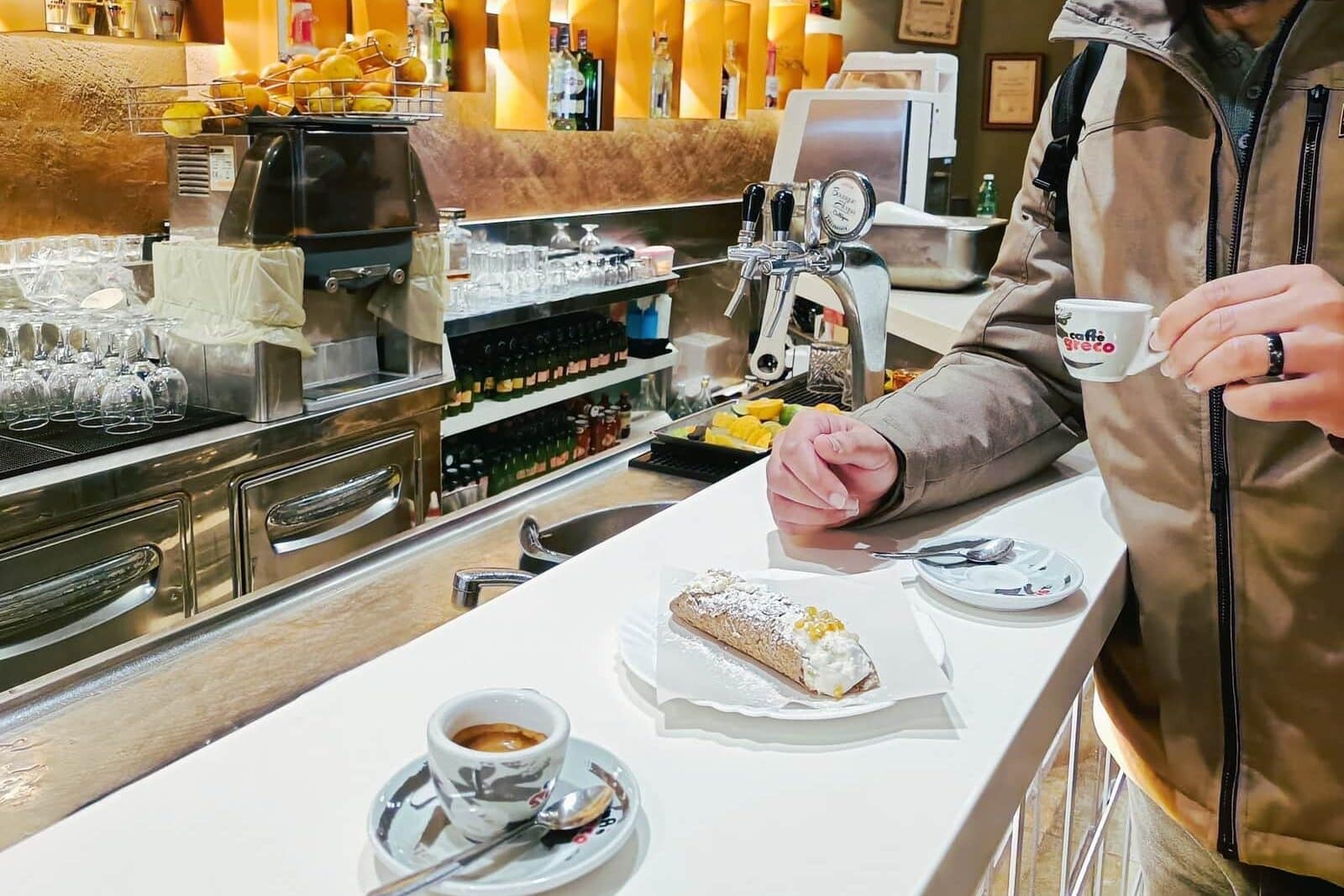
A typical Italian breakfast, or colazione, is quick and simple: a coffee and something sweet, often eaten standing at the bar before work. It is more of a gentle wake-up ritual than a full meal.
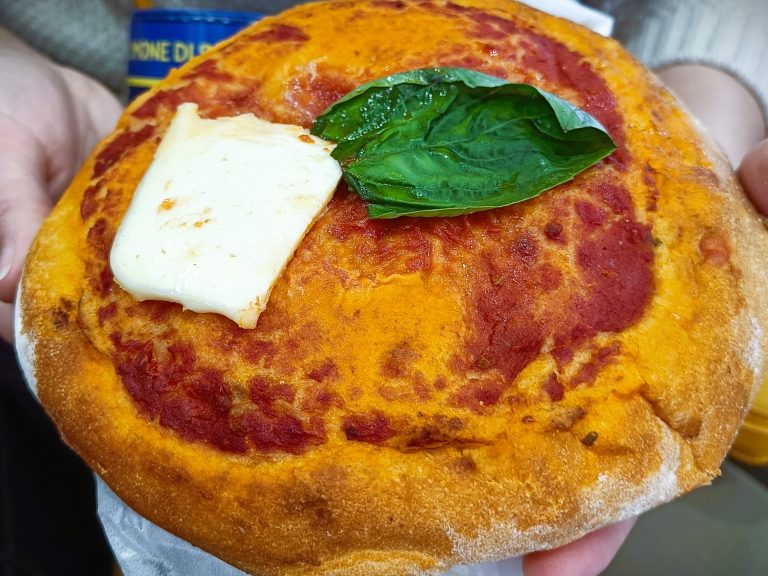
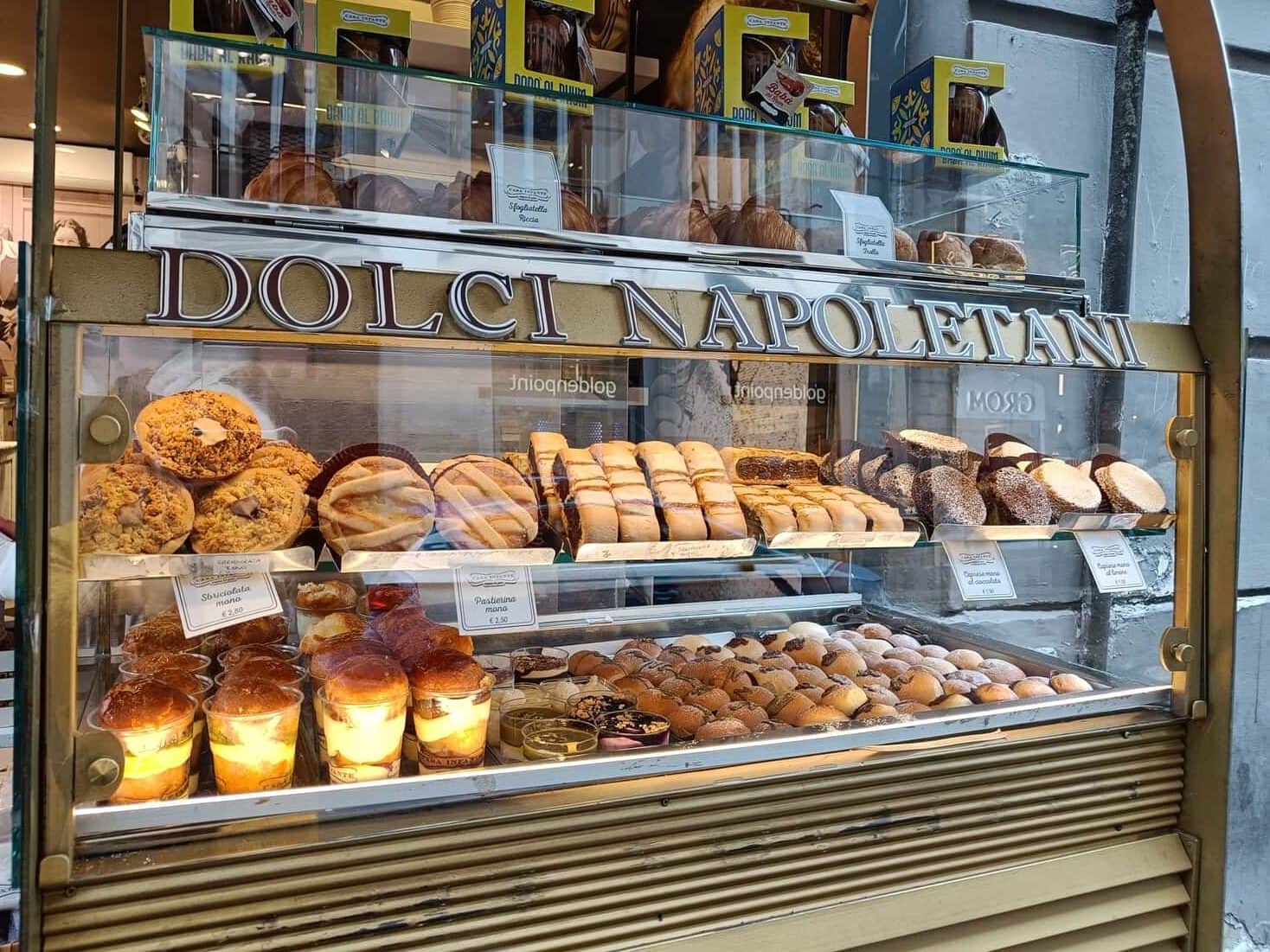
The pastry star is the cornetto, similar to a croissant but usually softer and sweeter. You will find it plain, filled with jam, custard or chocolate. In Naples and the south, you might also see sfogliatella, a crunchy layered pastry filled with ricotta, which is rich but fantastic with a short coffee. Deffinitly my favourite!
You will find bars open from early morning, often around 7:00. Expect to pay just a few euros for coffee and a pastry if you stand at the counter, and more if you sit at a table, especially in touristy squares.
2. Italian coffees you need to know.
Italian menus can look confusing, but once you learn a handful of words you are set. The base of almost everything is espresso, simply called un caffè. It is small, intense and usually gone in a couple of sips.
Here are the main types:
Caffè (espresso): Your standard short, strong shot.
Caffè ristretto: Even shorter and more concentrated.
Caffè lungo: A slightly longer espresso, milder but still strong.
Cappuccino: Espresso with lots of hot milk and foam, the classic breakfast coffee.
Caffè macchiato: Espresso “stained” with a little hot milk or foam, good if you want something in between.
The unwritten rule: cappuccino is a morning drink. Many Italians would never order it after about 11:00, because they see milk-heavy drinks as too heavy on the stomach later in the day. After that, locals switch to plain espresso.
3. Unspoken rules that matter
Do not linger too long at the counter. Bars are designed for fast movement; if you want to sit and relax, choose a table and accept the higher price.
Water is often free. You may get a small glass of water with your espresso, to wash your mouth and have a better taste of the coffee.
Cappuccino is for the morning. After late morning, switch to espresso or macchiato to feel more like a local.
You might also come across the “caffè sospeso” tradition, where someone pays in advance for an extra coffee that a stranger in need can claim later. It is a small, generous gesture.
Most pastries are inexpensive and displayed behind glass at the bar. Pointing works perfectly if you do not know the Italian name, just say “questo, per favore” (this one, please).
4. Best places in Naples to enjoy Italian breakfast and coffee
Gran Caffè Gambrinus located at Via Chiaia, 1
Gran Caffe Al Centro located at Via Giuseppe Verdi, 14
Vulevu’ Caffetteria Bistrot located at Via Miguel Cervantes de Saavedra, 74/76
Caffè Sansone Microroastery located at C.so Vittorio Emanuele, 610
Caffè Diaz Microtorrefazione located at Via dei Tribunali, 25