

Naples might seem a bit wild and chaotic at first, but that’s part of its charm! Once you understand how the airport shuttle, metro, and funiculars work, you’ll find the city easy to navigate. This guide will help you navigate from the airport into town and show you how to get around.
1. Airport to the city
Naples International Airport (Capodichino) is very close to the city, so you will not be stuck on a long transfer. Your main options are the Alibus shuttle, taxis, or a pre-booked transfer. Which one you pick mostly depends on your arrival time, budget and how much luggage you are dragging around.
Alibus shuttle
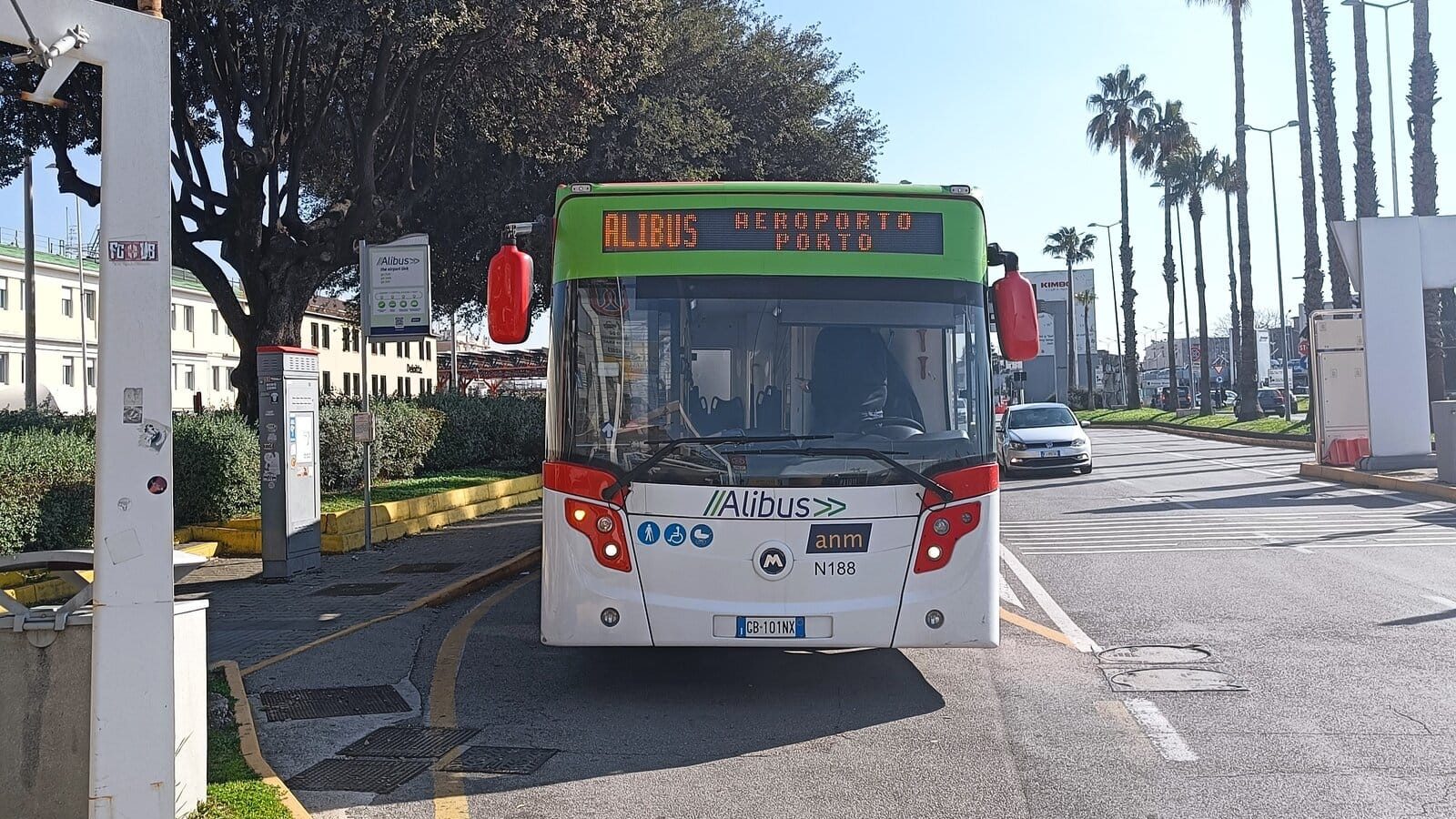
The Alibus is the simple, budget-friendly choice that works well for most travellers.It runs between the airport, Napoli Centrale / Garibaldi station (the main railway hub) and the port. The journey usually takes 20–30 minutes to the station, longer in rush hour. Big plus tickets are inexpensive and you buy them at the airport (counter or machine), at kiosks, or often from the driver.
Taxis
Official taxis are a good option if you are arriving late at night, have heavy bags, or just do not want to deal with buses on day one. You will find the taxi rank just outside arrivals. Before you get in, ask the driver to use the fixed tariff (“tariffa predeterminata”) for your destination and confirm the price. There are usually fixed fares from the airport to different city zones, which protects you from surprises in heavy traffic.
Pre-booked transfer
If you value a hassle-free experience, you can pre-book a private transfer through your hotel or a reputable company. A driver meets you in the arrivals hall and takes you directly to your door. This is usually more expensive than a taxi if you are solo, but a better value for families or small groups.
2. Getting around in Naples
Once you are in the city, you will mostly use a mix of walking, metro, and funiculars. The historic centre is compact enough to explore on foot, but the hills and places outside the city make public transport very handy.
Walking
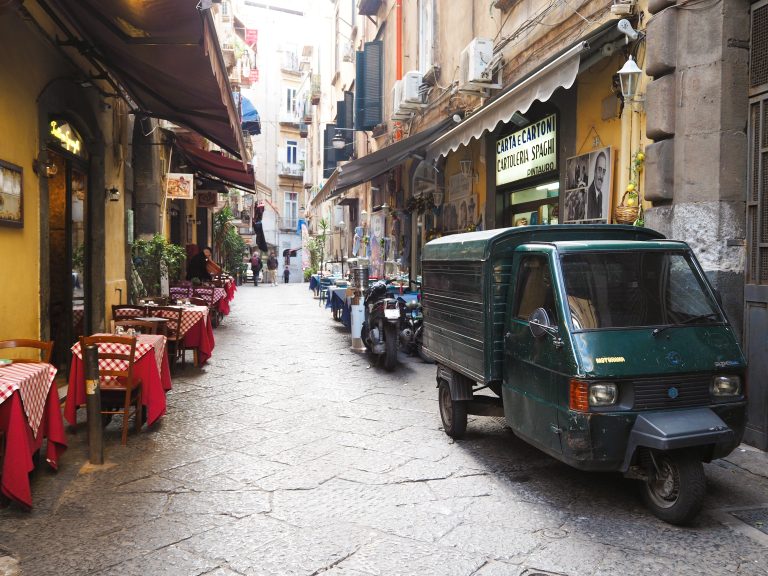
Despite the traffic and scooters, Naples is a brilliant city for walking, especially in the older parts where the streets are narrow and full of life. The narrow streets are most of the time uneven and cobbled, so make sure to wear comfortable closed shoes. Scooters often weave everywhere, so always look carefully before stepping into the road. 🛵
At night, stick to busy, well-lit streets, especially if you are walking alone.
Funicolare (funiculars)
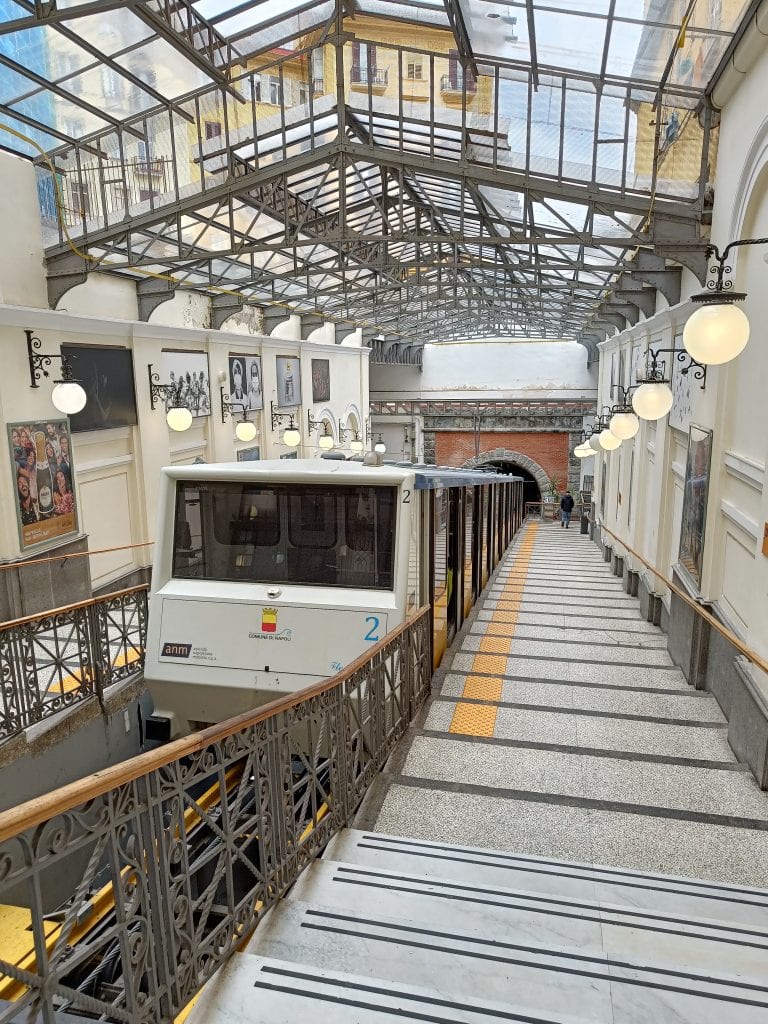
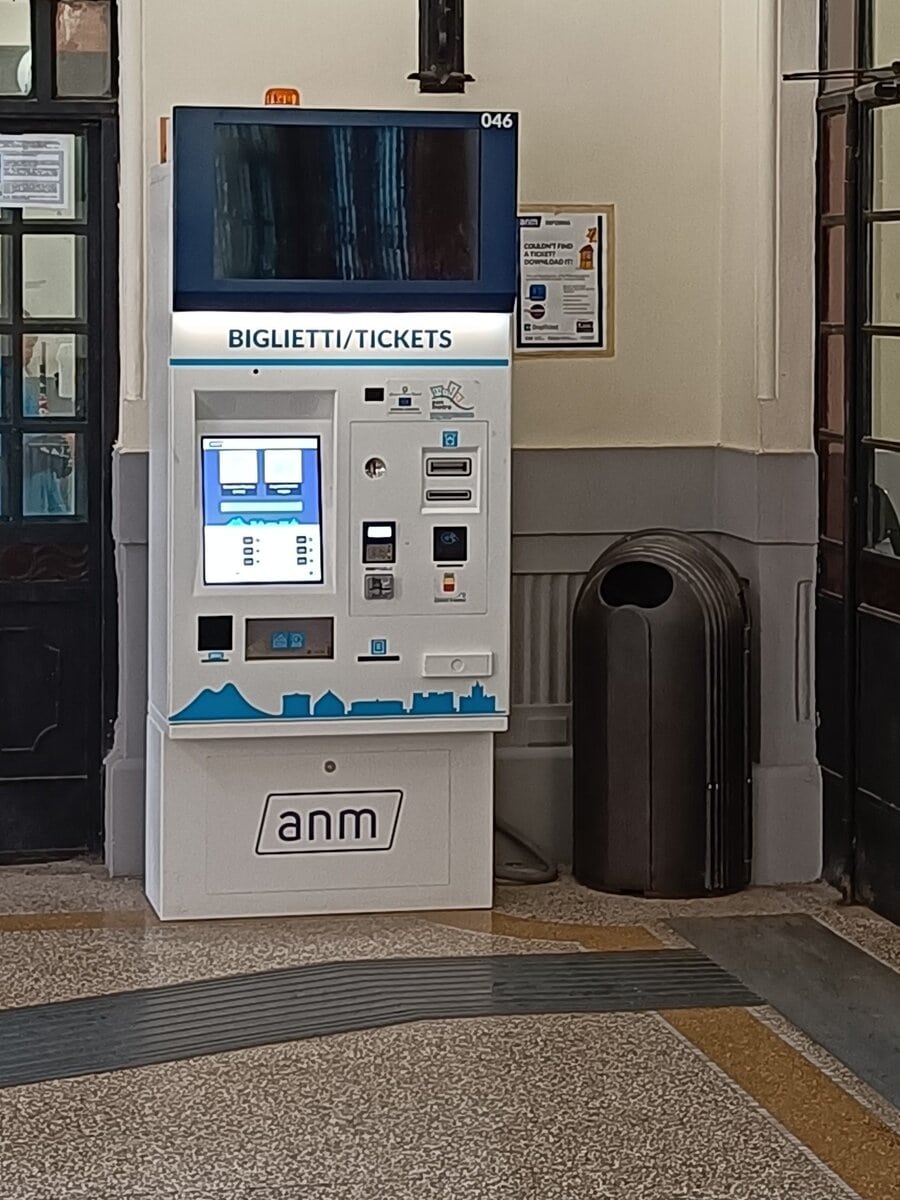
Naples is not flat, and the funiculars are the locals’ secret weapon against the hills. They are short railways that run up and down the slopes, a bit like the city’s own lifts. They connect the lower city with the hilltop district of Vomero and Castel Sant’Elmo. How it works? Look for stations marked “Funicolare” Buy a ticket in the station or use your day pass, validate at the barrier, then wait on the platform. Trains usually run every 10–15 minutes.
- Funicolare Centrale: From Via Toledo to Piazzale Fuga (Vomero)
- Funicolare di Chiaia: From Parco Margherita to Via Cimarosa (Vomero)
- Funicolare di Montesanto: From Piazza Montesanto to Via Morghen (Vomero)
- Funicolare di Mergellina: From Via Mergellina to Via Manzoni (Posillipo)
Metro
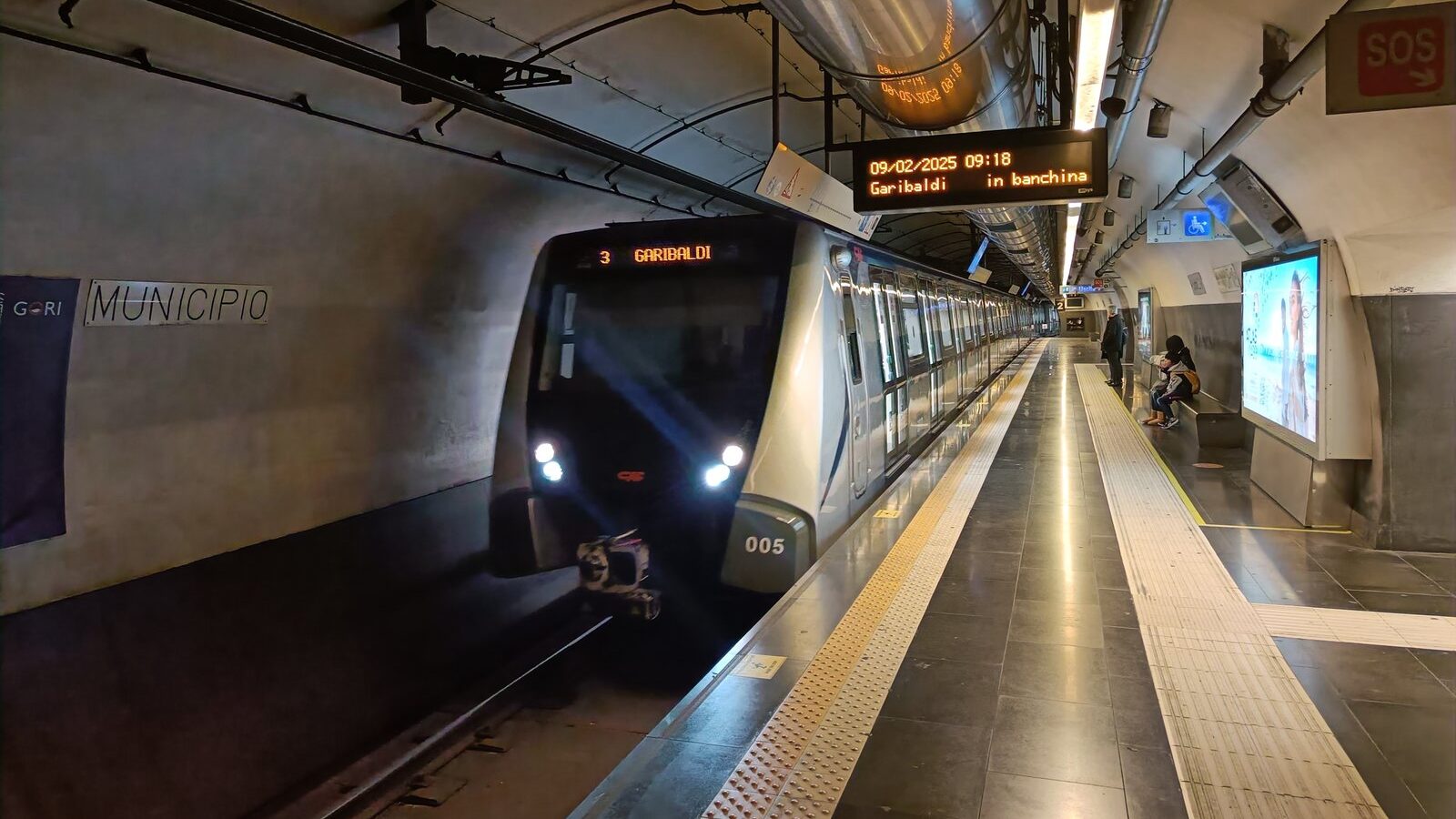
If you remember one thing, make it this: Metro Line 1 is your best friend in Naples. Stations like Toledo, Università, Museo and Dante put you right where you want to be for sightseeing. It is usually faster and more reliable than buses, especially at rush hour.
If you are into design or photography, ride Line 1 between Garibaldi and Toledo and hop off just to look around the stations. many of the stations are mini art galleries. They are some of the most photogenic 📸 metro stops in Europe.
Money-saving tip
If you’re making more than three or four journeys in a day, the day pass pays for itself. Calculate based on current prices, which you can check on the ANM website before your trip.
Strike Days
Italy has regular transport strikes (scioperi). These are usually announced in advance and tend to follow set patterns, with guaranteed services during peak commute times. Check local news or ask your hotel if a strike is scheduled during your visit.
3. Should You Rent a Car?
Honestly? No. Driving in Naples is intense. Traffic is heavy, parking is expensive and scarce, and the narrow streets weren’t designed for modern vehicles. If you’re planning day trips to Pompeii, the Amalfi Coast, or other regional destinations, consider taking trains or organized tours instead. You’ll enjoy the scenery more and arrive less stressed.